A mood board is a type of poster design that may consist of images, text, and samples of objects in a composition of the choice of the mood board creator. Designers and others use mood boards to develop their design concepts and to communicate to other members of the design team. Mood boards are often used by graphic designers to enable a person to illustrate visually the direction of style which they are pursuing. However, mood boards can also be used to visually explain a certain style of writing, or an imaginary setting for a storyline. In short, mood boards are not limited to visual subjects, but serve as a visual tool to quickly inform others of the overall 'feel' that a designer is trying to achieve. Our mood board consists of the 'feel' we as a group are trying to convey in our production.
Mood Board
Showing posts with label Planning. Show all posts
Showing posts with label Planning. Show all posts
Sunday, 25 March 2012

Monday, 12 March 2012
FAKE BLOOD
This is us making fake blood for our production to increase the authenticity of the mise-en-scene.
Sunday, 11 March 2012
SHOOTING SCRIPT (DRAFT 2)
Diegetic sound of the alarm clock going off is heard fading in. An extreme close up on the protagonist's eyes in the beginning showing him opening his eyes. Low-key lighting in the room. Alarm clock is still heard as he sits up from his bed and a high angle shot is applied showing him in a crouched position sitting on the bed with dried blood on his hands and chest. An over-the-shoulder shot is then used behind him facing a picture of him and the girl (possible Red Herring) which then switches to a close-up of the framed picture. The surrounding consists of alcohol bottles and messy, desolate bedroom. Alarm is still ringing and shown in the shot. The diegetic sound of the alarm is still heard until a cut into a close up is applied onto the alarm clock being smacked out of the frame abruptly.
We cut to the hallway where the protagonist steps out from the door to the toilet. A zoom out/zoom in is used revealing only his torso and hands to show the blood stains using a dolly which he then walks to the left into the bathroom. He leans his stretched out arm onto the wall tiles seeming rather distressed and trouble as he has a shower and the water drips off which we see seeping in the drain with a close-up shot. We then cut to him wiping the vapor off the mirror and for the first time, using medium, 3/4 shot, revealing his face from the mirror and also a close-up of the face. He sighs depressingly.
A cut into a long shot, tracking shot of the main character walking along the pavement is used. A match on action is then implemented to show him clutching the door knob and opening the door with a close up of the door knob. He then sits on the chair on the computer in front of him using an over-the-shoulder shot and uses the computer. A close-up is used to show the central character using the computer displaying an intense expression on his face.
Diegetic sound of the conversation between the main character and another MI5 agent slowly interrupts the composition with the central character on the computer until the conversation is fully introduced by a cut in with a close up of the protagonist speaking. We then establish a shot/reverse shot by cutting into another close up shot of the other MI5 agent speaking with the protagonist. A non-diegetic track of an ambient, ominous effect will play throughout the dialogue.
Dialogue:
(Protagonist = Agent 1 / Second MI5 agent = Agent 2)
Agent 1: How is she?
Agent 2: I'm sorry to have to say this...
Agent 1: I assume she's under you're protection.
Agent 2: You're being discharged...
Agent 1: (slight pause) Why...?
Agent 2: (another slight pause) There was noth-
Agent 1: (furiously interrupts) After I went through all that crap just to get her! Why am I being kicked off the service?!
Agent 2: She's-
Agent 1: You know! You know what I had to do to complete the mission, goddamn it!
Agent 2: (Without hesitation) She's dead, agent...
The camera will stop on the protagonist in a close up position and very slowly zoom into his intense facial expression. The diegetic sound of the street slowly fades away and the non-diegetic sound of the ambient effect will fade into an increasingly loud train/airplane sound. All sound will abruptly stop and cut into an extreme close up of the protagonist's eyes with very low key lighting.
Wednesday, 7 March 2012
EQUIPMENT

Film cameras are used and produced today, especially for the production of full feature movies. Film cameras take a series of images; "frame". This is accomplished through an intermittent mechanism. The frames are later played back in a movie projector at a specific speed, called the "frame rate". While viewing, a person's eyes and brain merge the separate pictures together to create the illusion of motion.
As a class we are lucky enough to be using the latest handheld sony cameras that really make it easy to film and upload videos. Our teacher gave us a quick demonstration on how the battery works and what we needed to do to change certain settings. After the tutorial we used the camera to film the preliminary task and got a real feel of how they responded to certain lighting and movements. As a group we decided that the main priorites to dow ith the camera was the charging of it, safety and making sure the seeting configured to the scenes we needed to shoot.


Lighting illuminates the performers and artists in a live theatre, dance, or musical performance, and is selected and arranged to create dramatic effects. Dimmers, colored filters, reflectors, lenses, motorized or manually aimed lamps, and different kinds of flood and spot lights are among the tools used by a stage lighting designer to produce the desired effects. A set of lighting cues are prepared so that the lighting operator can control the lights in step with the performance.

A camera dolly is a piece of filmmaking production equipment designed to create smooth camera movements. The camera is mounted to the dolly and the camera operator and focus puller or camera assistant, usually ride on the dolly to operate the camera.

Sound recording is a re-creation of sound waves, such as spoken voice, singing, instrumental music, or sound effects. The two main classes of sound recording technology are analog recording and digital recording. Acoustic analog recording is achieved by a small microphone diaphragm that can detect changes in atmospheric pressure and record them as a graphic representation of the sound waves on a medium such as a phonograph.
Sunday, 4 March 2012
LOCATIONS
We conducted a group discussion regarding the location of where we are going to shoot our production. I have contemplated where we can add vital aspects to the mise-en-scene in order to project our narrative as much as possible and what can complement the conventions exhibited in a spy-thriller.
We have decided, for reasons of convenience, to use Chelsea Academy, an old factory and one of our group members apartment. Once considered and slightly altered, it can provide a brilliant location which is appropriate for our narrative.
CHELSEA ACADEMY
Lots Road
London
SW10 0AB
This place is rather convenient for us as our production takes place here and also it provides a political and manufactured atmosphere. This suggests a sense of professionalism and seriousness which is essential for our spy theme throughout our narrative.


THE OLD FACTORY
Lots Road
London
SW10 0AB
This factory is the old London Underground power station and has been abandoned for various decades. This adds a rather ominous feel to the narrative and can very well help us carry out the conventions of a spy-thriller. This is where the conversation between the protagonist and the other MI5 agent will happen and it the emptiness of the area will certainly provide a ominous and dangerous atmosphere for the scene.


THE APARTMENT
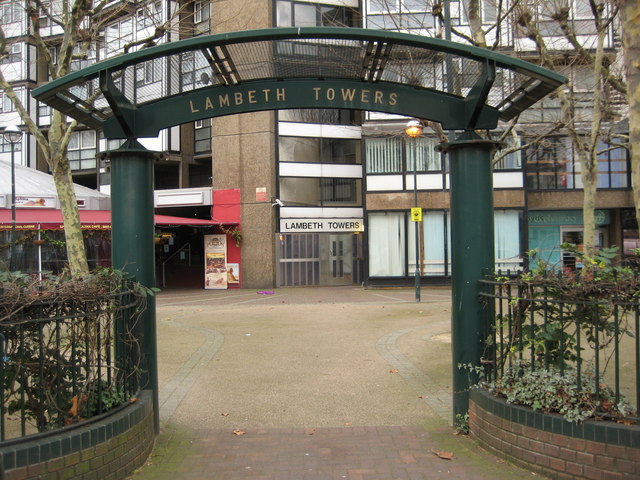
12 Lambeth Towers
Kennington Road
London
This is one of our group members apartment (Ricardo Da Silva). This is just a standard bedroom and bathroom we can use. We will be implementing various props and items to present a suitable mise-en-scene for our opening sequence.


We have decided, for reasons of convenience, to use Chelsea Academy, an old factory and one of our group members apartment. Once considered and slightly altered, it can provide a brilliant location which is appropriate for our narrative.
CHELSEA ACADEMY
Lots Road
London
SW10 0AB
This place is rather convenient for us as our production takes place here and also it provides a political and manufactured atmosphere. This suggests a sense of professionalism and seriousness which is essential for our spy theme throughout our narrative.

THE OLD FACTORY
Lots Road
London
SW10 0AB
This factory is the old London Underground power station and has been abandoned for various decades. This adds a rather ominous feel to the narrative and can very well help us carry out the conventions of a spy-thriller. This is where the conversation between the protagonist and the other MI5 agent will happen and it the emptiness of the area will certainly provide a ominous and dangerous atmosphere for the scene.

THE APARTMENT
12 Lambeth Towers
Kennington Road
London
This is one of our group members apartment (Ricardo Da Silva). This is just a standard bedroom and bathroom we can use. We will be implementing various props and items to present a suitable mise-en-scene for our opening sequence.
OUR ANIMATIC
We have produced an animatic of our final piece. This is the outline of what our vision of the opening sequence comprises of. In comparison with what the opening sequence will be realistically, it seems short and concise. However this is an animatic without any dialogue and frames in motion and it provides us with a good conception of what the opening sequence would look like once put into practice.
SHOOTING SCRIPT
Diegetic sound of the alarm clock going off is heard fading in. An extreme close up on the protagonist's eyes in the beginning showing him opening his eyes. Low-key lighting in the room. Alarm clock is still heard as he sits up from his bed and a medium shot is applied without fully showing his face. The surrounding consists of empty alcohol bottles and messy, desolate bedroom. Alarm is still ringing and shown in the shot. The diegetic sound of the alarm is still heard until a cut into a close up is applied onto the alarm clock being smacked out of the frame abruptly.
We then cut into the central character having a shower as the camera pans through the frame slowly. We then cut to him wiping the vapor off the mirror and for the first time, using medium, 3/4 shot, revealing his face from the mirror showing the scars and bruises on his face. He sighs depressingly.
A cut into a long shot, tracking shot of the main character walking along the pavement is used. A match on action is then implemented to show him clutching the door knob and opening the door with a close up of the door knob. He then sits on the chair on the computer in front of him using an over-the-shoulder shot and uses the computer. A close-up is used to show the central character using the computer displaying an intense expression on his face.
Diegetic sound of the conversation between the main character and another MI5 agent slowly interrupts the composition with the central character on the computer until the conversation is fully introduced by a cut in with a close up of the protagonist speaking. We then establish a shot/reverse shot by cutting into another close up shot of the other MI5 agent speaking with the protagonist. A non-diegetic track of an ambient, ominous effect will play throughout the dialogue.
Dialogue:
(Protagonist = Agent 1 / Second MI5 agent = Agent 2)
Agent 1: How is she?
Agent 2: I'm sorry to have to say this...
Agent 1: I assume she's under you're protection.
Agent 2: You're being discharged...
Agent 1: (slight pause) Why...?
Agent 2: (another slight pause) There was noth-
Agent 1: (furiously interrupts) After I went through all that crap just to get her! Why am I being kicked off the service?!
Agent 2: She's-
Agent 1: You know! You know what I had to do to complete the mission, goddamn it!
Agent 2: (Without hesitation) She's dead, agent...
The camera will stop on the protagonist in a close up position and very slowly zoom into his intense facial expression. The diegetic sound of the street slowly fades away and the non-diegetic sound of the ambient effect will fade into an increasingly loud train/airplane sound. All sound will abruptly stop and cut into an extreme close up of the protagonist's eyes with very low key lighting.
We then cut into the central character having a shower as the camera pans through the frame slowly. We then cut to him wiping the vapor off the mirror and for the first time, using medium, 3/4 shot, revealing his face from the mirror showing the scars and bruises on his face. He sighs depressingly.
A cut into a long shot, tracking shot of the main character walking along the pavement is used. A match on action is then implemented to show him clutching the door knob and opening the door with a close up of the door knob. He then sits on the chair on the computer in front of him using an over-the-shoulder shot and uses the computer. A close-up is used to show the central character using the computer displaying an intense expression on his face.
Diegetic sound of the conversation between the main character and another MI5 agent slowly interrupts the composition with the central character on the computer until the conversation is fully introduced by a cut in with a close up of the protagonist speaking. We then establish a shot/reverse shot by cutting into another close up shot of the other MI5 agent speaking with the protagonist. A non-diegetic track of an ambient, ominous effect will play throughout the dialogue.
Dialogue:
(Protagonist = Agent 1 / Second MI5 agent = Agent 2)
Agent 1: How is she?
Agent 2: I'm sorry to have to say this...
Agent 1: I assume she's under you're protection.
Agent 2: You're being discharged...
Agent 1: (slight pause) Why...?
Agent 2: (another slight pause) There was noth-
Agent 1: (furiously interrupts) After I went through all that crap just to get her! Why am I being kicked off the service?!
Agent 2: She's-
Agent 1: You know! You know what I had to do to complete the mission, goddamn it!
Agent 2: (Without hesitation) She's dead, agent...
The camera will stop on the protagonist in a close up position and very slowly zoom into his intense facial expression. The diegetic sound of the street slowly fades away and the non-diegetic sound of the ambient effect will fade into an increasingly loud train/airplane sound. All sound will abruptly stop and cut into an extreme close up of the protagonist's eyes with very low key lighting.
Saturday, 25 February 2012
STORYBOARD
Here is the storyboard me and my group wish to abide by throughout the production of our opening sequence:


SHOOTING SCHEDULE
This shooting schedule, a guideline which incorporates the times, dates and location of when to film, maximizes the efficiency of which my group can work in. A shooting schedule is often indicated by the assistant director however we have not assigned such a role due to the small number of the group. Regardless, this would be rather helpful in order for us to remain time conscious as well as being as organised and prepared as possible.
Shooting Schedule
Wednesday, 8 February 2012
FINAL IDEA PRESENTAION
This is a presentation outputting mine and my groups ideas of what our opening sequence could potentially be. Our ideas were proposed through discussion and have compromised with a general concept of our future final piece.
Final Idea
Final Idea
Subscribe to:
Posts (Atom)